

Creamy Coconut Yogurt
A thick, tangy dairy-free yogurt made by culturing full-fat coconut milk and lightly thickening it with tapioca starch.
Instructions
-
Step 1
Place the glass jar and lid in a stockpot, cover them with water, and bring to a boil over high heat. Boil for 10 minutes, then remove them with jar tongs and leave them to air-dry and cool.
-
Step 2
In a saucepan, whisk 120 ml of the coconut milk with the tapioca starch until completely smooth.
-
Step 3
Whisk in the remaining 680 ml coconut milk. Cook over medium heat, whisking frequently, until the mixture reaches 82°C and lightly thickens.
-
Step 4
Remove the saucepan from the heat and let the coconut mixture cool to 40–43°C.
-
Step 5
Add the yogurt starter culture and whisk gently until evenly dispersed.
-
Step 6
Pour the cultured mixture into the sanitized glass jar and close it with the lid.
-
Step 7
Place the jar in a yogurt maker set to 40°C and incubate undisturbed until tangy and softly set.
-
Step 8
Refrigerate the sealed yogurt until fully chilled and firm, then stir until creamy before serving.
Nutrition (Estimated)
Food safety
Caution: medium
Use clean equipment and a fresh live starter. Refrigerate the yogurt at 4°C or colder and use within 7 days. Discard it if it develops mold, pink or unusual discoloration, a rotten odor, or visible bubbling unrelated to normal fermentation.
Risk factors
- Warm fermentation can support unwanted microbial growth if equipment is not sanitized.
- Excessive incubation temperature can damage the starter culture.
- The finished yogurt requires refrigeration.
Related recipes
-
 AmericanHalalKetoLow CarbPaleoPescatarianVeganVegetarian
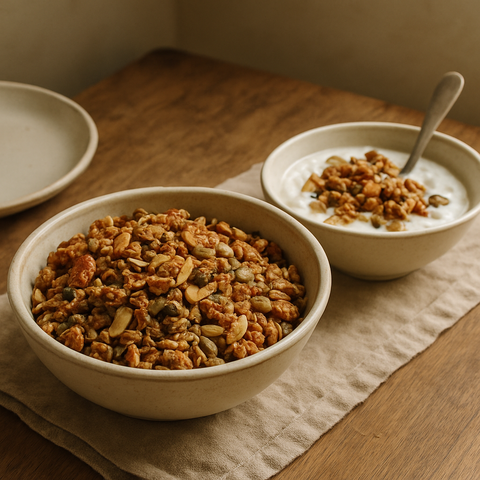
Grain-Free Granola
A crisp, lightly sweetened granola made with toasted nuts, seeds, and coconut instead of oats or other grains.
-
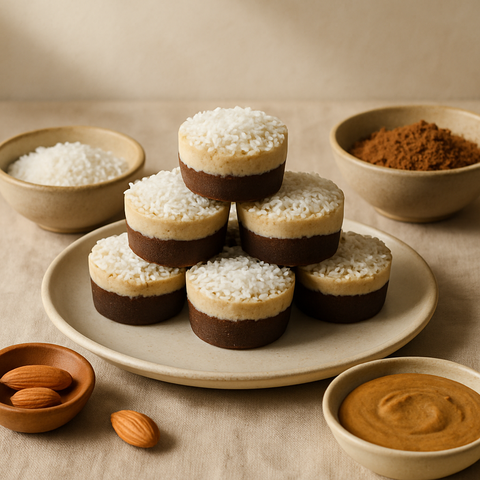 AmericanHalalKetoLow CarbPaleoPescatarianVeganVegetarian
Almond Joy Fat Bombs
No-bake coconut fat bombs topped with whole almonds and a rich cocoa-coconut oil layer.
-
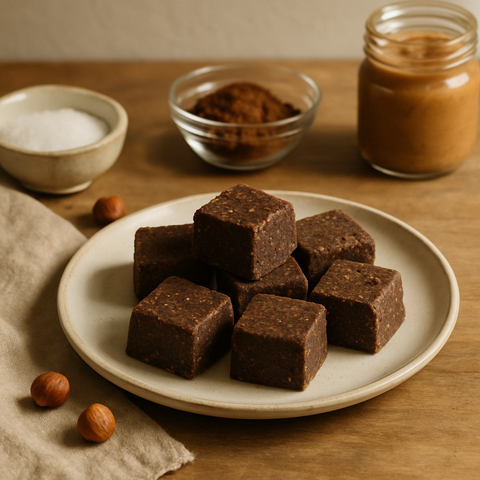 AmericanHalalKetoLow CarbPaleoPescatarianVeganVegetarian
Chocolate Hazelnut Fat Bombs
Rich, bite-size chocolate hazelnut treats with a smooth, melt-in-the-mouth texture and a crisp nutty finish.


